






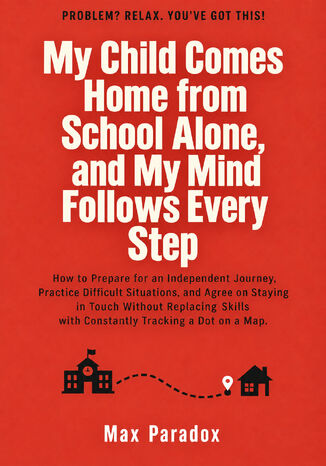
My Child Comes Home from School Alone, and My Mind Follows Every Step - How to Prepare for an Independent Journey, Practice Difficult Situations, and Agree on Staying in Touch Without Replacing Skills with Constantly Tracking a Dot on a Map Max Paradox
 angielski
- Autor:
- Max Paradox
- Wydawnictwo:
- SELF-PUBLISHER
- Ocena:
- Stron:
- 187
- Dostępne formaty:
-
PDFePub
-
 Publikacja stworzona ze wsparciem AI
Opis
książki
:
My Child Comes Home from School Alone, and My Mind Follows Every Step - How to Prepare for an Independent Journey, Practice Difficult Situations, and Agree on Staying in Touch Without Replacing Skills with Constantly Tracking a Dot on a Map
The school bell rings. Your child heads home alone. You, meanwhile, have already checked the clock, refreshed the tracking app, and developed an entirely fictional explanation for why the little dot stopped moving outside a bakery. Apparently, your imagination has taken a second job as a disaster screenwriter.
Giving a child more independence is a meaningful milestone. It can also expose the uncomfortable difference between keeping someone safe and keeping them constantly visible. How do you prepare your child to make good decisions when you cannot stand beside them? And how do you stay reasonably informed without becoming the world's most anxious remote traffic controller?
In My Child Comes Home from School Alone, and My Mind Follows Every Step, Max Paradox offers a practical, sharply observant guide to navigating this transition with more preparation, clearer boundaries, and a healthy sense of humor.
This book helps you assess readiness through demonstrated skills rather than birthdays, comparisons with classmates, or confident declarations of "I know the way!" You'll learn to examine a route from a child's perspective, recognize potentially demanding crossings and distractions, and organize supervised practice that develops judgment instead of dependence on parental instructions.
It also tackles the decisions that rarely appear on a map. What if friends propose a shortcut? How should a child respond when someone makes an inappropriate request? What happens when a familiar route is blocked, a phone loses power, or the expected person isn't available? The emphasis is on understandable actions, realistic help arrangements, and knowing when to stop and seek assistance.
You'll discover how to agree on useful check-ins without expecting your child to answer messages while crossing the street. You'll consider what tracking technology can actually tell you, where it can mislead you, and why knowing a device's location is not the same as knowing whether your child can handle a difficult situation.
The book doesn't ignore complicated family realities. It explores confusing school dismissal procedures, changing pickup schedules, the difference between walking home and staying home alone, children who need individualized support, and the limits of expecting older siblings to act as supervisors. It also addresses setbacks, parental anxiety, and the gradual expansion of freedom as a child gains experience.
No universal birthday grants readiness. No gadget guarantees safety. And no family can eliminate every surprise from an ordinary afternoon. What parents can do is make thoughtful decisions, establish workable support, respond appropriately to problems, and give children opportunities to build responsibility at a pace suited to their actual abilities and surroundings.
Written for parents of school-age children, this is a guide for anyone who wants to encourage independence without confusing trust with carelessness or care with constant surveillance.
Because the goal isn't to raise a perfectly tracked dot on a screen. It's to raise a person who can make increasingly sensible decisions, including knowing when to ask for help.
This publication was prepared using tools that support the creative process, including artificial intelligence solutions. The final concept, structure and editing are the responsibility of the author.
Wybrane bestsellery
-
 Dlaczego niektórzy mężczyźni przez całe życie są przekonani, że muszą zasłużyć na miłość? Dlaczego tak trudno im stawiać granice, samodzielnie podejmować decyzje, budować bliskość w związkach lub uwolnić się od poczucia winy? Odpowiedzi często prowadzą do jednej z najważniejszych relacji w życiu relacji z matką. Syndrom mamusi to książka o mężczyzn
-
ebook
-
audiobook
36 pkt
(36,96 zł najniższa cena z 30 dni)
36.96 zł
48.00 zł (-23%) -
-
 Bycie rodzicem to trudna sztuka. Nawet jeśli staramy się ze wszystkich sił, dajemy dzieciom maksimum miłości, czułości i wsparcia, z całą uwagą dbamy o jakość wzajemnych relacji prędzej czy później zdecydowana większość z nas napotyka problem wychowawczy, wobec którego w pierwszym momencie czujemy się bezradni. Jesteśmy wówczas zmuszeni postawić granice: odmówić zachciance dziecka, powstrzymać niebezpieczną sytuację czy zareagować na zachowanie sprzeczne z normami społecznymi. Nie zawsze jest to łatwe i często nie kończy się sukcesem.
-
ebook
-
audiobook
-
książka
27 pkt
(22,90 zł najniższa cena z 30 dni)
27.45 zł
49.90 zł (-45%) -
-
 Twój wewnętrzny dom ma cztery pokoje. Czy pamiętasz, żeby odwiedzać je wszystkie? Umysł, emocje, ciało i duch każda z tych sfer jest równie ważna. Kiedy którąś zaniedbujesz, tracisz równowagę, energię i kontakt ze sobą. Ta książka pomoże ci przyjrzeć się sobie i odkryć, czego naprawdę potrzebujesz. Dowiesz się, jak lepiej rozumieć własne emocje,
-
ebook
26 pkt
(26,07 zł najniższa cena z 30 dni)
26.48 zł
31.90 zł (-17%) -
-
 Kiedy dziecko dorasta, zmienia się nie tylko ono. Zmienia się także rodzicielstwo. Pojawiają się nowe wyzwania, emocje, wątpliwości i pytania, na które nie ma prostych odpowiedzi. Aga Rogala pomaga zrozumieć, co dzieje się między rodzicem a nastolatkiem, gdy relacja staje się bardziej wymagająca. Przypomina, że emocje i potrzeby rodzica są równie w
-
ebook
-
audiobook
39 pkt
(27,90 zł najniższa cena z 30 dni)
39.59 zł
43.98 zł (-10%) -
-
 Poczucie bezpieczeństwa to nie cecha osobowości, lecz umiejętność, którą można rozwijać i wzmacniać Choć od dzieciństwa uczy się nas samowystarczalności i niezależności, nasz układ nerwowy jest zaprogramowany na tworzenie ciepłych, stabilnych więzi. To na nich opiera się nasze poczucie bezpieczeństwa, niezbędne do prowadzenia spełnionego i spokojne
-
ebook
38 pkt
(38,49 zł najniższa cena z 30 dni)
38.99 zł
49.99 zł (-22%) -
-
 MIĘDZYNARODOWY BESTSELLER, DZIĘKI KTÓREMU ODZYSKASZ SPOKÓJ I ODNAJDZIESZ UKOJENIE. Osiem milionów dróg do szczęścia to drogowskaz na czasy, w których każdy z nas poszukuje ukojenia. Hiroko Yoda zaprasza cię do świata uważności, czerpiąc z uzdrawiającej mądrości japońskiej kultury i tradycji. Zainspirowana buddyzmem, mądrością shugendo czy mistycyzm
-
ebook
-
audiobook
42 pkt
(32,90 zł najniższa cena z 30 dni)
42.32 zł
52.90 zł (-20%) -
-
 Organizm jest w stanie sam się uleczyć. Wie, co jest nie tak i czego potrzebuje, by odzyskać zdrowie. Kod ciała to sposób, by odkodować te potrzeby. W swojej pierwszej książce zatytułowanej Kod emocji wyjaśniałem, jak to się dzieje, że twój podświadomy umysł wie wszystko o emocjonalnym bagażu, który ze sobą dźwigasz. Kod emocji to metoda pozwalając
-
ebook
-
audiobook
71 pkt
(89,90 zł najniższa cena z 30 dni)
71.91 zł
89.90 zł (-20%) -
-
 Chcesz rozpocząć przygodę z wykrywaczem metali, ale nie wiesz, od czego zacząć? A może od lat przeczesywanie pól i lasów z cewką to Twoja pasja i chcesz wejść na wyższy poziom poszukiwań? Dobrze się składa trzymasz bowiem w ręku warsztatowy przewodnik po świecie współczesnej detektorystyki, oparty na kompetencjach zdobywanych przez autora podczas tysięcy godzin spędzonych w terenie. Ta książka to praktyczna wiedza bez zbędnej teorii. Prawdziwe doświadczenia bez internetowych mitów. Konkrety bez lania wody.
-
ebook
-
książka
29 pkt
(27,90 zł najniższa cena z 30 dni)
29.95 zł
59.90 zł (-50%) -
-
 Czy lekarstwa na ADHD odbiorą mi kreatywność? Dlaczego tracę wątek w połowie rozmowy? Rozpraszam się w czasie seksu - co mogę z tym zrobić? Czy z ADHD da się wyrosnąć? Jakie są dobre i złe zawody dla osób z ADHD? Erik Gude i Cate Osborn, prowadzący podcast o życiu z ADHD, odpowiadają na każde z tych pytań. Zamiast ogólnych rad, oferują praktyczne s
-
ebook
38 pkt
(27,90 zł najniższa cena z 30 dni)
38.31 zł
47.90 zł (-20%) -
-
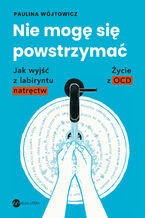 HISTORIE PACJENTÓW, PORADY SPECJALISTÓW Myją dłonie kilkadziesiąt razy dziennie. Kilkanaście razy wracają do domu sprawdzić, czy wyłączyli żelazko. Przed podróżą odprawiają magiczne rytuały. Unikają szczelin, linii, niepełnych liczb. Spędzają godziny na dezynfekowaniu, przestawianiu, poprawianiu i zaklinaniu. Utrudniają życie bliskim, ale przede w
-
ebook
34 pkt
(29,90 zł najniższa cena z 30 dni)
34.83 zł
51.99 zł (-33%) -

Max Paradox - pozostałe książki
-
 W poniedziałek kupujesz nowy planer. We wtorek masz już idealnie rozpisane obowiązki. W środę odkrywasz kilka drobnych opóźnień. W czwartek planer leży zamknięty, a ty szukasz aplikacji, która tym razem naprawdę odmieni twoje życie. Brzmi znajomo? Witaj w klubie ludzi, którzy potrafią zaprojektować genialny system organizacji, ale później muszą jes
-
ebook
23 pkt
(5,00 zł najniższa cena z 30 dni)
23.99 zł
29.99 zł (-20%) -
-
 Samochód został w garażu, kluczyki w szufladzie, a życie najwyraźniej nie otrzymało informacji o zmianie sytuacji. Sklep nadal znajduje się kilkanaście kilometrów od domu. Lekarz przyjmuje w sąsiednim mieście. Przyjaciele zapraszają na spotkania, a autobus kursuje według rozkładu, który wygląda, jakby ktoś ułożył go podczas wyjątkowo złośliwego eks
-
ebook
29 pkt
-
-
 Powrót do pracy za trzy tygodnie. Miejsce w żłobku? Może za pół roku. Babcia pomoże, ale nie zawsze. Niania jest dostępna, tylko jej wynagrodzenie zaczyna przypominać ratę kredytu hipotecznego. Witaj w świecie rodzicielskiej logistyki, gdzie kalendarz pracodawcy nie interesuje się dostępnością żłobków, a dwuletnie dziecko nie zamierza dostosowywać
-
ebook
29 pkt
-
-
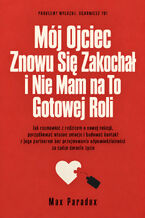 Ojciec znowu się zakochał. On przeżywa drugą młodość, a ty właśnie odkrywasz, że dorosłe dzieci również mogą mieć problem z nową miłością rodzica. Zwłaszcza kiedy nikt nie zapytał, czy masz ochotę występować w tej romantycznej historii. Jeszcze niedawno wszystko było przewidywalne. Wiedziałeś, jak wyglądają rodzinne spotkania, kto organizuje święta
-
ebook
29 pkt
-
-
 Miłość nie zna granic. Niestety, twoja teściowa zna je doskonale i właśnie wyjaśnia, dlaczego tegoroczne święta powinniście spędzić w jej kraju. Twój partner pochodzi z innego kraju? Gratulacje! W pakiecie z miłością otrzymujesz dodatkowy język, zupełnie nowe tradycje, nieznane potrawy i dwie rodziny przekonane, że ich sposób robienia wszystkiego j
-
ebook
29 pkt
-
-
 Pierwsze dziecko w rodzinie idzie na studia. Duma jest ogromna. Wiedza o tym, jak działa uczelnia? Niekoniecznie. Nagle przy rodzinnym stole pojawiają się tajemnicze słowa: ECTS, sylabus, sesja, dziekanat, stypendium i warunek. Rodzice próbują zrozumieć akademicką rzeczywistość, dziecko przygotowuje się do samodzielnego życia, a babcia pyta, czy po
-
ebook
29 pkt
-
-
 Awansowałeś. Zarabiasz więcej. W pracy ludzie pytają cię o zdanie, a na rodzinnej kolacji nadal słyszysz, żebyś nie wymądrzał się przy stole. Wystarczy, że wspomnisz o wakacjach, nowym mieszkaniu albo podwyżce, i nagle atmosfera robi się tak napięta, jakby ktoś miał za chwilę ujawnić rodzinny testament. Jesteś pierwszą osobą w rodzinie, która weszł
-
ebook
29 pkt
-
-
 Mama wprowadza się do was. Albo tata. Razem z walizkami, ulubionym fotelem, pamiątkami sprzed czterdziestu lat i niezachwianym przekonaniem, że ziemniaki przechowujecie w niewłaściwym miejscu. Miało być pięknie. Więcej rodzinnej bliskości, wzajemnej pomocy i wspólnych chwil. Tymczasem po kilku tygodniach okazuje się, że babcia ma własną wizję wycho
-
ebook
29 pkt
-
-
 Potrzebujesz pomocy w domu, ale niekoniecznie nowego kierownika własnego życia? Ktoś ma pomóc ci w codziennych czynnościach, a tymczasem zaczyna decydować, kiedy powinieneś wstawać, co jeść, gdzie trzymać swoje rzeczy i jak najlepiej spędzać popołudnia. Zamawiałeś wsparcie, a otrzymałeś nieformalny zarząd nad własnym mieszkaniem. I jeszcze wypada p
-
ebook
29 pkt
-
-
 Pompa ciepła jest nowa, dom miał być ciepły, rachunki rozsądne, a ty właśnie po raz trzeci zastanawiasz się, co oznacza tajemnicza liczba na sterowniku. Witamy w przyszłości ogrzewania! Instalator zamontował urządzenie, pokazał kilka przycisków i zapewnił, że wszystko działa. Niestety, nie zostawił instrukcji obsługi twojego nowego stanowiska dyrek
-
ebook
29 pkt
-




Szczegóły książki
- ISBN Ebooka:
- 978-83-848-3940-9, 9788384839409
- Data wydania ebooka :
-
2026-11-09
 Data wydania ebooka często jest dniem wprowadzenia tytułu do sprzedaży i może nie być równoznaczna
z datą wydania książki papierowej. Dodatkowe informacje możesz znaleźć w darmowym fragmencie.
Jeśli masz wątpliwości skontaktuj się z nami sklep@ebookpoint.pl.
- Język publikacji:
- angielski
- Rozmiar pliku Pdf:
- 1.2MB
- Rozmiar pliku ePub:
- 1.9MB
- Pobierz przykładowy rozdział PDF »
- Pobierz przykładowy rozdział EPUB »

self publisher - inne książki
-
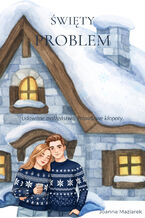 Do świątecznego Leavenworth przyjechała tylko na kilka dni. Festiwal, dopilnowanie szczegółów i powrót do Seattle - taki był plan. Bez komplikacji i bez mężczyzny, który mógłby namieszać jej w głowie. Beckett miał swoje zasady, własny warsztat i zdecydowanie za mało cierpliwości do kobiet takich jak Harper. Los najwyraźniej nie zamierzał się nimi p
-
ebook
35 pkt
-
-
 Na polskiej wsi jeszcze niedawno wiedziano, jak zamówić ból, jak odczynić urok rzucony zazdrosnym spojrzeniem i co położyć pod progiem nowego domu, żeby dobrze się w nim żyło. Ta wiedza nie zniknęła, tylko przycichła, rozproszona w przekazach babek, zapiskach etnografów i zwyczajach, których dziś często nie potrafimy już odczytać. Ta książka zbiera
-
ebook
36 pkt
-
-
 Gdy ginie jedyny syn przywódcy Northern Exchange, przyszłość jednej z najpotężniejszych kanadyjskich formacji mafijnych staje pod znakiem zapytania. Claude Girard ma jednak córkę. I człowieka, którego zamierza uczynić swoim następcą. Dwunastoletnia Claire nie wie jeszcze, że podpisany przez ojca kontrakt odbierze jej dzieciństwo. Zanim zostanie żon
-
ebook
32 pkt
-
-
 Frytkownica beztłuszczowa stoi w wielu polskich kuchniach, ale po kilku miesiącach używania zwykle sprowadza się do trzech, czterech sprawdzonych dań. Ta książka powstała z przekonania, że urządzenie, które potrafi w kwadrans skarmelizować dynię, wysuszyć chipsy z jabłek i wypiec chrupiące sakiewki z grzybami, zasługuje na coś więcej niż odgrzewani
-
ebook
36 pkt
-
-
 Zalecenie lekarza brzmi zwykle krótko: "proszę przejść na dietę lekkostrawną". Bez wyjaśnienia, co to właściwie znaczy, i bez odpowiedzi na pytanie, co w takim razie zjeść dziś na obiad. Ta książka powstała po to, żeby wypełnić tę lukę - jest praktycznym przewodnikiem dla wszystkich, którzy muszą lub chcą odciążyć swój przewód pokarmowy, a nie zami
-
ebook
36 pkt
-
-
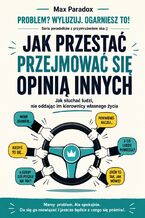 Jak przestać przejmować się opinią innych. Jak słuchać ludzi, nie oddając im kierownicy własnego życia to praktyczny przewodnik dla osób, które chcą lepiej zrozumieć omawiany temat i odzyskać wpływ na codzienne decyzje. Autor wyjaśnia mechanizmy działające w tle, porządkuje najważniejsze pytania i pokazuje konkretne perspektywy bez pustych obietnic
-
ebook
23 pkt
(5,00 zł najniższa cena z 30 dni)
23.99 zł
29.99 zł (-20%) -
-
 Masz w ciele sieć naczyń dłuższą niż wszystkie drogi krajowe razem wzięte, kilkaset stacji filtracyjnych i płyn, który przepływa przez klatkę piersiową w ilości kilku litrów na dobę. I najprawdopodobniej nigdy nie poświęciłeś jej pięciu minut uwagi. W szkole poznałeś serce i płuca. O tym układzie usłyszałeś zdanie, może dwa - najczęściej przy okazj
-
ebook
36 pkt
-
-
 Ostatni tom serii Sanctuary! On - poważny prawnik i członek klubu Sanctuary. Ona - córka konserwatywnego teleewangelisty. Pechowo - przyszła synowa jego wroga. Daisy Bell ma zaplanowaną przyszłość. Jej rolą jest ładnie wyglądać, szczerze się modlić i wspierać rodzinę przyszłego męża w dążeniu do zdobycia władzy. Wszystko się zmienia, gdy odkrywa
-
ebook
30 pkt
-
-
 CZY PROBLEMEM SĄ IDIOCI U WŁADZY - CZY SYSTEM, KTÓRY ICH PRODUKUJE? 8 listopada 2016 roku świat zamarł. Potem był Brexit, Węgry, Brazylia, Polska. Za każdym razem pojawiało się to samo pytanie: jak to możliwe? Autor stawia tezę, która zmienia perspektywę: złych liderów nie produkują po prostu źli ludzie. Produkują ich określone warunki - rozpad wsp
-
ebook
19 pkt
-
-
 A co, jeśli najsurowszy sędzia w Twojej głowie... wcale nie mówi Twoim głosem? Przez niemal cztery dekady John Mark Linden-ceniony coach, menedżer i wykładowca akademicki - perfekcyjnie żonglował maskami sukcesu. Wierzył, że ludzką naturę można w pełni skontrolować chłodnym, czystym intelektem. Wszystko pękło w jeden wieczór przy kuchennym stole, g
-
ebook
39 pkt
-
Dzięki opcji "Druk na żądanie" do sprzedaży wracają tytuły Grupy Helion, które cieszyły sie dużym zainteresowaniem, a których nakład został wyprzedany.
Dla naszych Czytelników wydrukowaliśmy dodatkową pulę egzemplarzy w technice druku cyfrowego.
Co powinieneś wiedzieć o usłudze "Druk na żądanie":
- usługa obejmuje tylko widoczną poniżej listę tytułów, którą na bieżąco aktualizujemy;
- cena książki może być wyższa od początkowej ceny detalicznej, co jest spowodowane kosztami druku cyfrowego (wyższymi niż koszty tradycyjnego druku offsetowego). Obowiązująca cena jest zawsze podawana na stronie WWW książki;
- zawartość książki wraz z dodatkami (płyta CD, DVD) odpowiada jej pierwotnemu wydaniu i jest w pełni komplementarna;
- usługa nie obejmuje książek w kolorze.
Masz pytanie o konkretny tytuł? Napisz do nas: sklep@ebookpoint.pl
Książka drukowana


Oceny i opinie klientów: My Child Comes Home from School Alone, and My Mind Follows Every Step - How to Prepare for an Independent Journey, Practice Difficult Situations, and Agree on Staying in Touch Without Replacing Skills with Constantly Tracking a Dot on a Map Max Paradox
(0)