






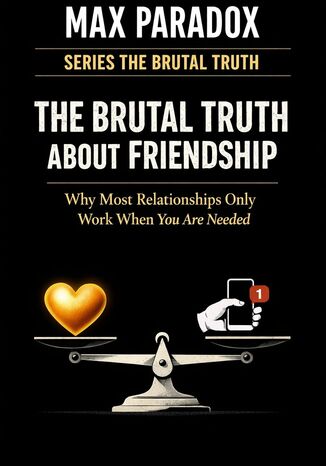
The Brutal Truth About Friendship - Why Most Relationships Only Work When You Are Needed Max Paradox
- Autor:
- Max Paradox
- Wydawnictwo:
- SELF-PUBLISHER
- Ocena:
- Stron:
- 224
- Dostępne formaty:
-
PDFePub
-
 Publikacja stworzona ze wsparciem AI
Opis
książki
:
The Brutal Truth About Friendship - Why Most Relationships Only Work When You Are Needed
Friendship is one of the most celebrated relationships in human life.
People talk about loyal friends, lifelong bonds and connections that survive every challenge. Movies describe friendships as unconditional support. Social media celebrates groups of friends who appear inseparable. The idea is comforting: somewhere in life there are people who will always remain close, no matter what happens.
Reality is usually more complicated.
The Brutal Truth About Friendship does not try to romanticize relationships. Instead, it explores the hidden psychological mechanisms that quietly shape how friendships actually work. Many connections feel strong not because they are unconditional, but because they function inside invisible structures that most people never notice.
Friendships often depend on usefulness. On shared environments. On emotional convenience. On timing.
And when those conditions change, the relationship may begin changing as well.
This book examines thirty-five mechanisms that influence how friendships form, grow, stabilize and eventually fade. Each chapter focuses on a specific psychological dynamic that most people recognize only after it has already shaped their experience.
Why some friends appear only when they need something. Why certain people always hear important news first while others hear it later. Why emotional roles form inside friendships and become difficult to escape. Why two people who once felt inseparable slowly become strangers with shared memories.
These patterns rarely emerge through open conflict. More often they operate quietly in everyday situations: a delayed message, an unspoken expectation, a conversation that subtly changes direction.
The book does not offer advice about how to fix friendships.
It does not promise strategies for building perfect relationships.
Instead, it reveals the psychological architecture beneath ordinary social life. The reader is invited to observe familiar situations from a new perspective and recognize mechanisms that usually remain invisible.
Some chapters may feel uncomfortable.
You may recognize your own behavior in moments you once explained differently. You may remember conversations where expectations, convenience or emotional priority shaped decisions more than loyalty or affection.
That recognition is intentional.
Because the most revealing insight about friendship is often this: people rarely behave in relationships according to the stories they tell about them.
They behave according to psychological mechanisms.
Understanding those mechanisms does not necessarily make friendships easier. But it makes them clearer. It allows people to see where relationships are built on genuine presence and where they depend on circumstances that may change without warning.
Friendship can still be meaningful.
Even when it is not permanent.
Even when it exists only for a particular phase of life.
The Brutal Truth About Friendship invites readers to look beyond the comforting myths and examine how relationships actually function in the real world.
Sometimes that truth is unsettling.
Sometimes it is strangely liberating.
Because once the hidden mechanisms become visible, people begin seeing their friendships not as mysterious emotional accidents, but as human systems shaped by attention, timing and shared experience.
And in that recognition lies a different kind of honesty about what friendship really is.
Friendship is supposed to be simple.
Two people meet, connect and stay close for life.
At least that is the story people like to believe.
In reality, most friendships follow invisible rules that few people ever discuss. Relationships strengthen because of shared routines, emotional convenience and timing. They weaken when priorities shift, expectations grow or life moves in different directions.
The Brutal Truth About Friendship reveals the psychological mechanisms behind these changes.
Across thirty-five chapters, this book examines how friendships actually function beneath the surface. Why some friends only appear when they need something. Why others quietly disappear without conflict. Why certain connections survive decades while others fade after a single life transition.
This is not a guide about how to make friends.
It is a diagnosis of how friendship really works.
Sometimes the truth is uncomfortable.
But it is also strangely familiar.
Wybrane bestsellery
-
 Cień powoduje nie tylko to, że kiedy ujawnia się w sytuacjach trudnych, zaskakujących czy granicznych, po jakimś czasie wzdychasz: nie byłem / nie byłam wtedy sobą. Potrafi również mocno obniżyć jakość Twoich interakcji społecznych, a na tym już nie tracisz wyłącznie Ty. Tracą też inni. Relacja z kimś, kogo niezintegrowany cień dochodzi do głosu w chwilach, gdy sprawy nie idą po jego myśli, nie jest łatwa.
-
ebook
-
audiobook
-
książka
59 pkt
-
-
 Bliskość z drugim człowiekiem. Któż o niej nie marzy? O byciu zobaczonym. Usłyszanym. Przyjętym takim, jakim się jest. Bez poprawiania. Bez stawiania warunków. Bez konieczności zasłużenia na akceptację. Bliskość zaczyna się tam, gdzie można być obecnym bez udowadniania swojej wartości. Gdzie Twoje ja nie musi się zmieniać, naprawiać ani dopasowywać, by znaleźć miejsce obok drugiego człowieka. Bliskość, która jest bezpieczną więzią i w której możesz mieć pewność, że relacja wytrzyma napięcie.
-
ebook
-
audiobook
-
książka
48 pkt
(32,45 zł najniższa cena z 30 dni)
48.68 zł
64.90 zł (-25%) -
-
 W tej cennej książce znajdziesz pomoc, dzięki której łatwiej poradzisz sobie z tym wyzwaniem. Nauczysz się rozpoznawać narcyzm po jego charakterystycznych oznakach, dowiesz się też, jak sobie radzić z toksycznymi cyklami i chronić własną energię. Zdobędziesz ponadto bardzo potrzebną umiejętność: wyznaczania realnych granic. Ten poradnik jest wypełniony wskazówkami i szczegółowymi poradami eksperta, opartymi na ponad dwudziestoletniej praktyce klinicznej. Teraz możesz korzystać ze skutecznych narzędzi, za sprawą których skończysz z obwinianiem siebie, przystąpisz do pracy nad odbudowaniem swojej siły, uleczysz się, wreszcie — odzyskasz swoje życie!
-
ebook
-
audiobook
-
książka
44 pkt
(29,95 zł najniższa cena z 30 dni)
44.93 zł
59.90 zł (-25%) -
-
 W tej przystępnej i świetnie napisanej książce znajdziesz zestaw 92 sprawdzonych technik, które pomogą Ci nie tylko swobodniej rozmawiać, ale też zdobywać szacunek i sympatię od pierwszego… słowa! Dzięki prostym i praktycznym wskazówkom dowiesz się, jak robić dobre wrażenie, prowadzić konwersacje, nawiązywać głębsze relacje i sprawiać, by każda rozmowa zbliżała Cię do celu. Poznasz tajniki mistrzów komunikacji — od technik mowy ciała i podprogowego nawiązywania porozumienia po zaawansowane triki używane przez zawodowych negocjatorów. Książka jest pomyślana w ten sposób, że kiedy znajdziesz się w potrzebie, z łatwością przypomnisz sobie odpowiednią metodę, zastosujesz ją i osiągniesz sukces — towarzyski, miłosny i zawodowy!
-
ebook
-
audiobook
-
książka
27 pkt
(24,95 zł najniższa cena z 30 dni)
27.45 zł
49.90 zł (-45%) -
-
 Ta książka nie jest typowym poradnikiem dotyczącym mowy ciała i mimiki. Owszem, przeczytasz w niej o tych i wielu innych zagadnieniach, a także o technikach wykrywania kłamstw w typowych, codziennych kontaktach z ludźmi, lecz jej treść sięga głębiej — do zakamarków ludzkiej psychiki i natury. Życiowe doświadczenia i wszystko to, co nas spotkało, kształtuje naszą osobowość, a przez to w dużej mierze kieruje nawykami i zachowaniami. Poszczególne fragmenty są niczym najciekawsze i najbardziej praktyczne wskazówki z podręcznika psychologii. Zajrzyj w głąb siebie i innych ludzi!
-
ebook
-
audiobook
-
książka
26 pkt
(24,50 zł najniższa cena z 30 dni)
26.95 zł
49.00 zł (-45%) -
-
 Czy o miłości powiedziano już wszystko? Czy może istnieje jeszcze coś tajemniczego, co mielibyśmy nadzieję odkryć? A może czas porzucić oczekiwania i zawiłe koncepcje i dotrzeć do jej delikatnego sedna, jak się okazuje - będącego kierunkowskazem ku dobrej, życzliwej relacji? Na te pytania znajdziecie odpowiedź w książce Lievena Migerode: Kocham cię
-
ebook
60 pkt
-
-
 Dzięki tej książce zdobędziesz kilka bezcennych umiejętności: rozpoznawania socjopatów, unikania ich, wreszcie ― usuwania ich ze swojego życia. Dowiesz się, co należy potraktować jako sygnały ostrzegawcze socjopatycznych nadużyć, a także czym się charakteryzuje typowy socjopata. Dodatkowo autorka przeanalizowała relacje socjopatów z innymi ludźmi, w szczególności triadę socjopata – empata – apata. Przekonasz się, że socjopaci w swoich okrutnych rozgrywkach często korzystają z pomocy apatów. Bardzo ważną częścią książki są rozdziały poświęcone radzeniu sobie z traumą będącą bezpośrednim następstwem współpracy, przyjaźni lub intymnej relacji z socjopatą, a także procesowi zdrowienia i odzyskiwania kontroli nad własnym życiem. Nie zabrakło również cennych spostrzeżeń o potencjale empatii jako potężnego narzędzia naprawczego i remedium na socjopatyczne nadużycia.
-
ebook
-
audiobook
-
książka
37 pkt
(24,95 zł najniższa cena z 30 dni)
37.43 zł
49.90 zł (-25%) -
-
 Skąd wiesz, czy jesteś w związku z narcyzem i co możesz z tym zrobić? Narcyzm to współczesna epidemia i szybko się rozprzestrzenia. Narcyzi wydają się być piękni na zewnątrz i choć często odnoszą sukcesy, są również kontrolujący, manipulujący oraz pozbawieni empatii. Jeśli twoja druga połówka może być charyzmatyczna i czarująca w jednej chwili, a w
-
ebook
39 pkt
-
-
 Żaden człowiek nie jest samotną wyspą. Żyjemy w bliższych i dalszych relacjach, słabiej lub mocniej związani z innymi ludźmi. Co więcej, to, jacy jesteśmy, nie zależy wyłącznie od genów, ale jest wypadkową naszych predyspozycji i wpływu, jaki wywierają na nas osoby z otoczenia. Związki z nimi, te dalsze i te bliższe, romantyczne, nie zawsze wyglądają różowo. Czasami bywają trudne i czujemy się w nich raczej uziemieni niż uskrzydleni. Dobra wiadomość jest taka, że relacje, w które jesteśmy zaangażowani, potrafimy nie tylko psuć. Jesteśmy zdolni także do tego, by je naprawiać.
-
ebook
-
audiobook
-
książka
32 pkt
(29,95 zł najniższa cena z 30 dni)
32.95 zł
59.90 zł (-45%) -
-
 Oto wyjątkowy poradnik, dzięki któremu o wiele łatwiej ozdrowiejesz po doznanej przemocy emocjonalnej ze strony psychopaty, odnajdziesz w sobie akceptację i przebaczenie dla siebie i innych, aby w końcu otworzyć się na nową, bezpieczną miłość. Zrozumiesz, na czym polega błędne koło toksycznej relacji i jak dochodzi do uzależnienia ofiary. Nauczysz się rozpoznawać objawy zespołu stresu pourazowego, dowiesz się, w jaki sposób funkcjonują ludzie o osobowości unikającej, współzależnej czy typu borderline. A przede wszystkim dostaniesz do ręki narzędzia — praktyki, dzięki którym znów staniesz się wolnym człowiekiem. Jest to potężny, płynący od serca program samouzdrowienia, odnalezienia siebie i odzyskania swojego życia!
-
ebook
-
książka
36 pkt
(24,50 zł najniższa cena z 30 dni)
36.75 zł
49.00 zł (-25%) -

Max Paradox - pozostałe książki
-
 Jest 21:47. Przeglądasz telefon i widzisz wiadomość: "Dziękuję wszystkim za życzenia!". Patrzysz na nazwisko. Potem na datę. Potem jeszcze raz na nazwisko, jakby za drugim razem miało się okazać, że to zupełnie inna osoba. Niestety. Znowu zapomniałeś o urodzinach kogoś ważnego. A przecież ci zależy. "Znowu Zapomniałem o Urodzinach Kogoś Ważnego" to
-
ebook
25 pkt
(5,00 zł najniższa cena z 30 dni)
25.49 zł
29.99 zł (-15%) -
-
 Kiedyś wystarczyło napisać "wychodzisz?" i po dwudziestu minutach ktoś naprawdę wychodził. Dziś próba wypicia kawy z przyjacielem potrafi przypominać negocjacje międzynarodowe: ty możesz w czwartek, on w listopadzie, ktoś ma dzieci, ktoś remont, ktoś pracuje do późna, a wszyscy zgodnie kończą rozmowę zdaniem "musimy się kiedyś zgadać". Tylko że "ki
-
ebook
25 pkt
(5,00 zł najniższa cena z 30 dni)
25.49 zł
29.99 zł (-15%) -
-
 Stoisz obok człowieka, którego ledwo znasz. On mówi: "Ale dziś wieje". Ty przez następne trzy sekundy próbujesz zdecydować, czy odpowiedź "no" jest jeszcze small talkiem, czy już oficjalnym zakończeniem stosunków dyplomatycznych. Jeśli znasz ten stan, ta książka jest dla ciebie. "Nie Umiem Robić Small Talku i Nie Chcę Udawać, Że Kocham Pogodę" to p
-
ebook
25 pkt
(5,00 zł najniższa cena z 30 dni)
25.49 zł
29.99 zł (-15%) -
-
 Kiedyś rozmawialiście o planach, znajomych, filmach, podróżach i wszystkim tym, co akurat przyszło wam do głowy. Dziś potraficie przez dwadzieścia minut prowadzić intensywną rozmowę o tym, kto odbiera dzieci, gdzie podziała się bluza, czy trzeba kupić mleko i dlaczego nikt nie odpisał na wiadomość ze szkoły. Gratulacje. Zostaliście rodzicami, logis
-
ebook
25 pkt
(5,00 zł najniższa cena z 30 dni)
25.49 zł
29.99 zł (-15%) -
-
 Związek działa. Naprawdę. Rachunki są opłacone, zakupy zrobione, kalendarz mniej więcej ogarnięty, a żadna walizka nie stoi przy drzwiach. Tylko gdzieś pomiędzy pytaniem "co kupić?" a "o której jutro wstajesz?" zniknęła bliskość. Kiedyś rozmawialiście godzinami. Dziś potraficie przez pół wieczoru siedzieć obok siebie i skutecznie nie spotkać się an
-
ebook
25 pkt
(5,00 zł najniższa cena z 30 dni)
25.49 zł
29.99 zł (-15%) -
-
 Piszesz pierwszy. Proponujesz spotkanie. Pytasz, jak poszła ważna rozmowa. Wracasz do kontaktu po kilku tygodniach ciszy. Pamiętasz o urodzinach, problemach, planach i rzeczach, o których ktoś wspomniał dwa miesiące wcześniej. Druga osoba odpowiada, czasem nawet bardzo ciepło. Kiedy się spotykacie, jest dobrze. Tylko pojawia się jedno niewygodne py
-
ebook
25 pkt
(5,00 zł najniższa cena z 30 dni)
25.49 zł
29.99 zł (-15%) -
-
 Kochacie się. Naprawdę. Nie planujecie spektakularnego rozstania, nie rzucacie talerzami i nie śpicie demonstracyjnie na przeciwnych końcach mieszkania. Po prostu któregoś dnia orientujecie się, że większość waszych rozmów brzmi mniej więcej tak: "Co kupić?", "O której wrócisz?", "Odebrałeś paczkę?", "Kto jutro jedzie?" i oczywiście klasyczne "Nic
-
ebook
25 pkt
(5,00 zł najniższa cena z 30 dni)
25.49 zł
29.99 zł (-15%) -
-
 Sąsiad z góry właśnie rozpoczął nocne mistrzostwa świata w przesuwaniu krzeseł. Ktoś zastawił wjazd, bo "tylko na chwilę". Na korytarzu wyrósł kolejny prywatny magazyn, pies z mieszkania obok prowadzi regularne audycje dźwiękowe, a grupa mieszkańców potrzebuje trzech wiadomości, żeby z pytania o karton zrobić debatę o upadku cywilizacji. Brzmi znaj
-
ebook
25 pkt
(5,00 zł najniższa cena z 30 dni)
25.49 zł
29.99 zł (-15%) -
-
 Kiedyś potrafiliście rozmawiać godzinami. Dziś nadal jesteście razem, tylko każde trochę gdzie indziej. Jedno przewija, drugie odpisuje, oboje wysyłacie sobie rolki, a najdłuższa rozmowa dnia kończy się czasem na "😂❤️👍". Niby kontakt jest. Nawet bardzo dużo kontaktu. Tylko bliskości jakoś mniej. "Kiedyś Rozmawialiśmy. Teraz Wysyłamy Sobie Rolki" to
-
ebook
25 pkt
(5,00 zł najniższa cena z 30 dni)
25.49 zł
29.99 zł (-15%) -
-
 Sąsiad znowu wierci. Ktoś po raz trzeci stawia rower przy windzie. Samochód obok regularnie wchodzi na twoje miejsce. Z balkonu leci dym. Pies szczeka, dzieci biegają, goście rozmawiają na klatce po północy, a grupa mieszkańców właśnie rozpoczyna trzydziestą ósmą dyskusję o kartonie stojącym obok śmietnika. Brzmi znajomo? Problem z sąsiadami polega
-
ebook
25 pkt
(5,00 zł najniższa cena z 30 dni)
25.49 zł
29.99 zł (-15%) -




Szczegóły książki
- ISBN Ebooka:
- 978-83-848-3091-8, 9788384830918
- Data wydania ebooka :
-
2026-10-07
 Data wydania ebooka często jest dniem wprowadzenia tytułu do sprzedaży i może nie być równoznaczna
z datą wydania książki papierowej. Dodatkowe informacje możesz znaleźć w darmowym fragmencie.
Jeśli masz wątpliwości skontaktuj się z nami sklep@ebookpoint.pl.
Data wydania ebooka często jest dniem wprowadzenia tytułu do sprzedaży i może nie być równoznaczna
z datą wydania książki papierowej. Dodatkowe informacje możesz znaleźć w darmowym fragmencie.
Jeśli masz wątpliwości skontaktuj się z nami sklep@ebookpoint.pl.
- Język publikacji:
- angielski
- Rozmiar pliku Pdf:
- 2.2MB
- Rozmiar pliku ePub:
- 458.8kB
- Pobierz przykładowy rozdział PDF »
- Pobierz przykładowy rozdział EPUB »

self publisher - inne książki
-
 Gdy ginie jedyny syn przywódcy Northern Exchange, przyszłość jednej z najpotężniejszych kanadyjskich formacji mafijnych staje pod znakiem zapytania. Claude Girard ma jednak córkę. I człowieka, którego zamierza uczynić swoim następcą. Dwunastoletnia Claire nie wie jeszcze, że podpisany przez ojca kontrakt odbierze jej dzieciństwo. Zanim zostanie żon
-
ebook
32 pkt
-
-
 Ta historia wydarzyła się naprawdę. W pewnym sensie... Redaktor Piotr Dobrowolski budzi się na brzegu Jeziora Łagowskiego z bolesną raną na potylicy. Nie pamięta niczego z kilku ostatnich miesięcy. Dowiaduje się jednak, że media ogłosiły go odkrywcą skarbu rycerskiego zakonu joannitów. Historyczna sensacja ściąga do miejscowości letniskowej nie tyl
-
ebook
25 pkt
-
-
 Stracili swój dom. Odnaleźli nowy świat. Lecz pokoju nie zaznali nigdy. To, co zaczęło się jako misja ratunkowa, stało się podróżą przez zdradę, poświęcenie i rozbite prawdy. Ludzi i Thal-Venai dzieli coś więcej niż pamięć o umierających światach - pęknięcie, na które składają się wina, strach i sprzeczne wersje przeszłości. Gdy dorastają nowe poko
-
ebook
-
audiobook
19 pkt
-
-
 Zalecenie lekarza brzmi zwykle krótko: "proszę przejść na dietę lekkostrawną". Bez wyjaśnienia, co to właściwie znaczy, i bez odpowiedzi na pytanie, co w takim razie zjeść dziś na obiad. Ta książka powstała po to, żeby wypełnić tę lukę - jest praktycznym przewodnikiem dla wszystkich, którzy muszą lub chcą odciążyć swój przewód pokarmowy, a nie zami
-
ebook
36 pkt
-
-
 Masz w ciele sieć naczyń dłuższą niż wszystkie drogi krajowe razem wzięte, kilkaset stacji filtracyjnych i płyn, który przepływa przez klatkę piersiową w ilości kilku litrów na dobę. I najprawdopodobniej nigdy nie poświęciłeś jej pięciu minut uwagi. W szkole poznałeś serce i płuca. O tym układzie usłyszałeś zdanie, może dwa - najczęściej przy okazj
-
ebook
36 pkt
-
-
 Ostatni tom serii Sanctuary! On - poważny prawnik i członek klubu Sanctuary. Ona - córka konserwatywnego teleewangelisty. Pechowo - przyszła synowa jego wroga. Daisy Bell ma zaplanowaną przyszłość. Jej rolą jest ładnie wyglądać, szczerze się modlić i wspierać rodzinę przyszłego męża w dążeniu do zdobycia władzy. Wszystko się zmienia, gdy odkrywa
-
ebook
17 pkt
(20,14 zł najniższa cena z 30 dni)
17.04 zł
30.99 zł (-45%) -
-
 CZY PROBLEMEM SĄ IDIOCI U WŁADZY - CZY SYSTEM, KTÓRY ICH PRODUKUJE? 8 listopada 2016 roku świat zamarł. Potem był Brexit, Węgry, Brazylia, Polska. Za każdym razem pojawiało się to samo pytanie: jak to możliwe? Autor stawia tezę, która zmienia perspektywę: złych liderów nie produkują po prostu źli ludzie. Produkują ich określone warunki - rozpad wsp
-
ebook
19 pkt
-
-
 Pierwsza polska książka łącząca teorię i praktykę wdrożenia Krajowego Systemu Cyberbezpieczeństwa. Napisana językiem konkretnych ról, dla Zarządu, IT, Compliance, Audytu i OT i nie jest komentarzem do ustawy. Dowiesz się jak zarejestrować podmiot w systemie S46, zbudować SZBI zgodny z art. 8 UoKSC, przeprowadzić lub przejść audyt KSC, zarządzać inc
-
ebook
149 pkt
-
-
 Ta książka to praktyczny i inspirujący przewodnik kulinarny, stworzony z myślą o osobach, które pragną zadbać o swoje zdrowie, jednocześnie nie rezygnując z przyjemności jedzenia. Łączy w sobie nowoczesne podejście do gotowania z wiedzą na temat diety przeciwzapalnej, która odgrywa kluczową rolę w profilaktyce wielu chorób i wspieraniu ogólnego sam
-
ebook
44 pkt
-
-
 Kadras jest coraz bliżej zrealizowania swoich planów odbudowy Imperium. Jeśli do ich sojuszu dołączy Arkun, dni Tariny wydają się policzone. Jej król, Olan Barde, ma też inne problemy: musi odeprzeć najazd zamorskiego ludu Wananów, którzy w liczbie kilkudziesięciu tysięcy zmierzają ku jego wybrzeżom. Czy podoła temu zadaniu i czy uda mu się przekon
-
ebook
44 pkt
-
Dzięki opcji "Druk na żądanie" do sprzedaży wracają tytuły Grupy Helion, które cieszyły sie dużym zainteresowaniem, a których nakład został wyprzedany.
Dla naszych Czytelników wydrukowaliśmy dodatkową pulę egzemplarzy w technice druku cyfrowego.
Co powinieneś wiedzieć o usłudze "Druk na żądanie":
- usługa obejmuje tylko widoczną poniżej listę tytułów, którą na bieżąco aktualizujemy;
- cena książki może być wyższa od początkowej ceny detalicznej, co jest spowodowane kosztami druku cyfrowego (wyższymi niż koszty tradycyjnego druku offsetowego). Obowiązująca cena jest zawsze podawana na stronie WWW książki;
- zawartość książki wraz z dodatkami (płyta CD, DVD) odpowiada jej pierwotnemu wydaniu i jest w pełni komplementarna;
- usługa nie obejmuje książek w kolorze.
Masz pytanie o konkretny tytuł? Napisz do nas: sklep@ebookpoint.pl
Książka drukowana


Oceny i opinie klientów: The Brutal Truth About Friendship - Why Most Relationships Only Work When You Are Needed Max Paradox
(0)