






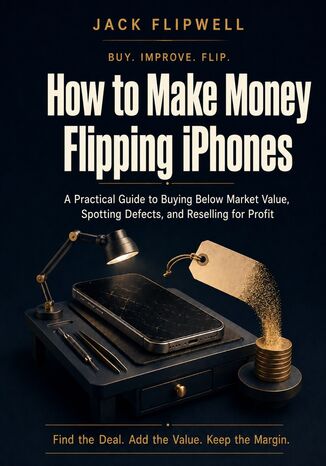
How to Make Money Flipping iPhones - A Practical Guide to Buying Below Market Value, Spotting Defects, and Reselling for Profit Jack Flipwell

- Autor:
- Jack Flipwell
- Wydawnictwo:
- SELF-PUBLISHER
- Ocena:
- Stron:
- 174
- Dostępne formaty:
-
PDFePub
-
 Publikacja stworzona ze wsparciem AI
Opis
książki
:
How to Make Money Flipping iPhones - A Practical Guide to Buying Below Market Value, Spotting Defects, and Reselling for Profit
Buy below market value. Inspect better than the average buyer. Add value only where it makes financial sense. Resell with enough margin to make the process worth repeating.
How to Make Money Flipping iPhones is a practical guide to turning used iPhones into controlled, repeatable resale opportunities. It is built for readers who want more than generic advice to "buy low and sell high." The book explains how to value an individual device, calculate the maximum purchase price, identify hidden risks, decide whether repairs make economic sense, and manage the entire transaction from sourcing to final sale.
You will learn how to separate realistic resale value from optimistic asking prices and how to calculate the purchase price backward from your target profit. Instead of seeing a phone listed for $600 and hoping to sell it for $750, you will learn to account for repairs, fees, shipping, preparation, buyer negotiation, return risk, and a safety buffer before you make an offer.
The book explains how to choose models that are worth trading rather than simply chasing the newest or most expensive iPhone. You will learn why turnover speed matters, how storage capacity affects secondhand value, why new-device promotions can change the used market, and how to compare profit with the amount of capital tied up in each phone.
Sourcing is covered in detail, including classifieds, social marketplaces, local groups, repair shops, repeat sellers, company devices, referrals, and bulk opportunities. You will learn why the best deal is not always the lowest-priced listing and how seller motivation, convenience, speed, and better information can create room for margin.
A major section of the book is dedicated to device verification. You will learn how to think about IMEI and serial information, Activation Lock, account transfer, MDM, company-managed devices, and clean activation. The goal is simple: avoid paying for a phone that looks valuable but cannot be transferred safely to the next legitimate owner.
The technical inspection process covers display quality, touch response, battery behavior, cameras, microphones, speakers, charging, wireless functions, buttons, sensors, connectivity, Face ID, Touch ID, and relevant parts history. Defects are not treated as vague negatives. They are translated into repair costs, resale discounts, and risk adjustments.
You will also learn how to interpret repair history. A serviced iPhone is not automatically a bad phone, but the type of repair, part quality, documentation, and current behavior matter. The book shows how to distinguish predictable repairs from devices with uncertain internal histories and explains why board-level problems, liquid exposure, and unresolved biometric faults require much more caution.
Repair economics receive their own practical framework. Not every damaged phone should be repaired. Sometimes spending $100 only increases resale value by $60, while another $80 repair can create $180 of additional value. The correct question is not whether the device can be repaired, but whether the repair improves your final result enough to justify the cost, time, and risk.
Negotiation is treated as an extension of valuation rather than a contest. You will learn how to establish an opening offer, target purchase price, and absolute maximum, how to negotiate around real defects, and how to walk away when the numbers stop working. The book also explains why reliability and same-day convenience can sometimes be more powerful than aggressive bargaining.
The resale process is covered from preparation through completed delivery. You will learn how to clean and grade devices, decide whether accessories add value, take honest photos, write listings that reduce buyer uncertainty, price for realistic negotiation, and respond to market feedback without defending outdated assumptions.
Shipping, returns, and scams are addressed with the same emphasis on process. The book explains why screenshots are not proof of payment, how to document device condition, why serial and IMEI records matter when a phone comes back, and how to protect yourself against substitution, false payment links, shipping disputes, and post-sale confusion.
As inventory grows, the book moves into capital management. You will learn to track each device, monitor inventory age, measure turnover, control exposure by model, and recognize when a shelf full of phones represents growth and when it represents trapped cash. Fast capital rotation can sometimes matter more than maximizing the profit on one device.
The later chapters cover scaling, delegation, repair capacity, sourcing relationships, multiple sales channels, operational errors, business costs, and financial reserves. You will learn why increasing volume should follow a proven process instead of being used to compensate for weak margins or slow inventory.
Legal, tax, documentation, and consumer responsibilities are discussed without pretending that one threshold or rule applies to every country. The book shows which questions a regular reseller needs to answer and why commercial buying for resale may be treated differently from occasionally selling personal property.
Finally, the entire method is converted into a 30-day implementation plan and the JACK FLIPWELL system. You can start with a small number of carefully selected phones, build your own transaction data, and gradually develop a repeatable model based on value, margin, time, and controlled risk.
Find the Deal. Add the Value. Keep the Margin.
Wybrane bestsellery
-
 Klienci nie kupują tego, czego nie rozumieją. A wiele marek komunikuje się w sposób, który zamiast wyjaśniać ofertę tylko ją komplikuje. Ta książka pokazuje, jak mówić o swojej ofercie w sposób prosty, zrozumiały i skuteczny. To rozszerzone wydanie opiera się na modelu StoryBrand, sprawdzonej strukturze opowieści, dzięki której klient: od razu roz
-
ebook
54 pkt
(50,33 zł najniższa cena z 30 dni)
54.52 zł
69.90 zł (-22%) -
-
 To był eksperyment, który zmienił wszystko. Will Guidara wprowadził pewne zmiany w przeciętnej nowojorskiej brasserie. Wkrótce Eleven Madison Park stała się legendą. Otrzymała cztery gwiazdki od New York Timesa, trzy gwiazdki Michelin, a jedenaście lat później została uznana za najlepszą restaurację na świecie. Co właściwie zrobił Will Guidara? Na pozór nic wielkiego — zadbał o gościnność, tak niezapomnianą i niesamowitą, że aż nierozsądną.
-
ebook
-
książka
32 pkt
(29,95 zł najniższa cena z 30 dni)
32.95 zł
59.90 zł (-45%) -
-
 SPINto metoda sprzedaży opracowana na podstawie analizy 35 tysięcy rozmów handlowych przeprowadzonych przez 10 tysięcy sprzedawców w 23 krajach. SPIN SELLING to zestaw prostych i praktycznych technik, które zostały przetestowane w wielu wiodących firmach i znacznie poprawiły ich wyniki sprzedaży. W ciągu 12 latNeil Rackham wraz ze swoim zespołem p
-
ebook
92 pkt
(77,35 zł najniższa cena z 30 dni)
92.82 zł
119.00 zł (-22%) -
-
 Ludzie szukają konkretnego produktu lub usługi, ponieważ chcą rozwiązać jakieś swoje problemy. Oczekują konkretnych rezultatów. Są gotowi zapłacić za pewność, że dzięki zakupowi uzyskają oczekiwany efekt. Co więcej, za jakiś czas chętnie powrócą, a nawet pozostaną wierni danemu produktowi przez wiele lat. Nie uda Ci się jednak zbudować grupy takich lojalnych klientów, jeśli poprzestaniesz na prostym wystawieniu produktów na sprzedaż i biernym czekaniu.
-
ebook
-
książka
36 pkt
(33,50 zł najniższa cena z 30 dni)
36.84 zł
67.00 zł (-45%) -
-
 Chcesz, by Twoja marka była wielka? Chcesz, by konsumenci ją lubili, by chcieli z nią obcować i by - co tu dużo mówić - ją kupowali? W takim razie czas wziąć się do pracy i po prostu to zrobić. Wielu powie, że aby zbudować silną markę, trzeba mieć ogromny budżet. Oczywiście, z grubymi milionami w portfelu dużo łatwiej i szybciej można wykreować brand, ale nie jest to ani jedyny, ani, co więcej, niezbędny czynnik sukcesu. Wszystko zależy od Ciebie - i od tego, czy budowanie marki zaczniesz od podstaw. Od tego, jak dobrze poukładasz klocki i czy będą one do siebie pasować.
-
ebook
-
audiobook
-
książka
32 pkt
(29,95 zł najniższa cena z 30 dni)
32.95 zł
59.90 zł (-45%) -
-
 Książka ta została napisana dla tych, którzy poszukują większej satysfakcji w roli handlowca, szanują swój zawód i chcą być profesjonalistami. Jest to praktyczny poradnik dla wszystkich, którzy obsługują klienta i sprzedają produkty swojej firmy.
-
ebook
-
audiobook
-
książka
37 pkt
(34,50 zł najniższa cena z 30 dni)
37.95 zł
69.00 zł (-45%) -
-
 Rozszerzone wydanie światowego bestsellera - teraz z nową przedmową, nowymi rozdziałami i zaktualizowanymi analizami przypadków Ten światowy bestseller, świetnie przyjęty przez organizacje i branże na całym świecie, podważa całą dotychczasową wiedzę o tym, co trzeba zrobić, by odnieść strategiczny sukces. Strategia błękitnego oceanu przekonuje,
-
ebook
-
audiobook
62 pkt
(42,22 zł najniższa cena z 30 dni)
62.32 zł
79.89 zł (-22%) -
-
 Książka, którą trzymasz w dłoni, nie oferuje rozwiązań łatwych, tylko skuteczne. To znakomity przewodnik dla handlowców, pełen pomocnych wskazówek. Dowiesz się, w jaki sposób zapełnić lejek sprzedaży, korzystając z metodologii zrównoważonych poszukiwań. Nauczysz się optymalizować takie metody, jak marketing społecznościowy, mailing, cold calling, networking czy polecenia. Zgłębisz tajniki sprzedaży bezpośredniej. Dowiesz się, jak osiągnąć długotrwały sukces w sprzedaży!
-
ebook
-
książka
37 pkt
(34,50 zł najniższa cena z 30 dni)
37.95 zł
69.00 zł (-45%) -
-
 W przypadku wielu produktów czy usług wykształcenie nawyków u konsumentów staje się warunkiem przetrwania na rynku. Dzięki tej książce będziesz mógł wygrać walkę o uwagę użytkownika swojego produktu. Zyskasz głęboką wiedzę, zebraną na podstawie prac psychologów. Na tej podstawie łatwo wypracujesz taktykę utrzymania władzy nad umysłami klientów. Dowiesz się, jakie cechy musisz nadać swojej ofercie, aby na dłużej zaskarbić lojalność użytkowników i stworzyć produkt, który jest nieustannie potrzebny, od którego nie będzie można się oderwać.
-
ebook
-
audiobook
-
książka
30 pkt
(27,45 zł najniższa cena z 30 dni)
30.20 zł
54.90 zł (-45%) -
-
 Autorzy książki przeprowadzili szerokie, wyczerpujące badania na grupie tysięcy sprzedawców pracujących w różnych branżach i lokalizacjach. Okazuje się, że każdego sprzedawcę da się ująć jako reprezentanta jednego z pięciu profili, ale tylko jeden profil — Challenger — zawsze osiąga rezultaty znacząco wykraczające ponad przeciętną. Co więcej, umiejętności i postawy Challengera można wskazać i opisać, a następnie nauczyć innych takiego działania. Oznacza to, że prawie każdy uzbrojony w tę wiedzę i umiejętności może znacząco poprawić swoje wyniki.
-
ebook
-
książka
36 pkt
(33,50 zł najniższa cena z 30 dni)
36.84 zł
67.00 zł (-45%) -





Szczegóły książki
- ISBN Ebooka:
- 978-83-848-3221-9, 9788384832219
- Data wydania ebooka :
-
2026-10-07
 Data wydania ebooka często jest dniem wprowadzenia tytułu do sprzedaży i może nie być równoznaczna
z datą wydania książki papierowej. Dodatkowe informacje możesz znaleźć w darmowym fragmencie.
Jeśli masz wątpliwości skontaktuj się z nami sklep@ebookpoint.pl.
Data wydania ebooka często jest dniem wprowadzenia tytułu do sprzedaży i może nie być równoznaczna
z datą wydania książki papierowej. Dodatkowe informacje możesz znaleźć w darmowym fragmencie.
Jeśli masz wątpliwości skontaktuj się z nami sklep@ebookpoint.pl.
- Język publikacji:
- angielski
- Rozmiar pliku Pdf:
- 1.4MB
- Rozmiar pliku ePub:
- 2.8MB
- Pobierz przykładowy rozdział PDF »
- Pobierz przykładowy rozdział EPUB »

self publisher - inne książki
-
 Gdy ginie jedyny syn przywódcy Northern Exchange, przyszłość jednej z najpotężniejszych kanadyjskich formacji mafijnych staje pod znakiem zapytania. Claude Girard ma jednak córkę. I człowieka, którego zamierza uczynić swoim następcą. Dwunastoletnia Claire nie wie jeszcze, że podpisany przez ojca kontrakt odbierze jej dzieciństwo. Zanim zostanie żon
-
ebook
32 pkt
-
-
 Ta historia wydarzyła się naprawdę. W pewnym sensie... Redaktor Piotr Dobrowolski budzi się na brzegu Jeziora Łagowskiego z bolesną raną na potylicy. Nie pamięta niczego z kilku ostatnich miesięcy. Dowiaduje się jednak, że media ogłosiły go odkrywcą skarbu rycerskiego zakonu joannitów. Historyczna sensacja ściąga do miejscowości letniskowej nie tyl
-
ebook
25 pkt
-
-
 Stracili swój dom. Odnaleźli nowy świat. Lecz pokoju nie zaznali nigdy. To, co zaczęło się jako misja ratunkowa, stało się podróżą przez zdradę, poświęcenie i rozbite prawdy. Ludzi i Thal-Venai dzieli coś więcej niż pamięć o umierających światach - pęknięcie, na które składają się wina, strach i sprzeczne wersje przeszłości. Gdy dorastają nowe poko
-
ebook
-
audiobook
19 pkt
-
-
 Masz w ciele sieć naczyń dłuższą niż wszystkie drogi krajowe razem wzięte, kilkaset stacji filtracyjnych i płyn, który przepływa przez klatkę piersiową w ilości kilku litrów na dobę. I najprawdopodobniej nigdy nie poświęciłeś jej pięciu minut uwagi. W szkole poznałeś serce i płuca. O tym układzie usłyszałeś zdanie, może dwa - najczęściej przy okazj
-
ebook
36 pkt
-
-
 Ostatni tom serii Sanctuary! On - poważny prawnik i członek klubu Sanctuary. Ona - córka konserwatywnego teleewangelisty. Pechowo - przyszła synowa jego wroga. Daisy Bell ma zaplanowaną przyszłość. Jej rolą jest ładnie wyglądać, szczerze się modlić i wspierać rodzinę przyszłego męża w dążeniu do zdobycia władzy. Wszystko się zmienia, gdy odkrywa
-
ebook
20 pkt
(17,66 zł najniższa cena z 30 dni)
20.14 zł
30.99 zł (-35%) -
-
 IS THE PROBLEM THAT IDIOTS RULE - OR THE SYSTEM THAT PRODUCES THEM? On election night, November 8, 2016, the world froze. Then came Brexit, Hungary, Brazil, Poland. Each time the same disbelief: "something is wrong here - but what?" The author offers a thesis that changes the perspective: bad leaders are not simply produced by bad people. They emer
-

-
ebook
19 pkt
-
-
 CZY PROBLEMEM SĄ IDIOCI U WŁADZY - CZY SYSTEM, KTÓRY ICH PRODUKUJE? 8 listopada 2016 roku świat zamarł. Potem był Brexit, Węgry, Brazylia, Polska. Za każdym razem pojawiało się to samo pytanie: jak to możliwe? Autor stawia tezę, która zmienia perspektywę: złych liderów nie produkują po prostu źli ludzie. Produkują ich określone warunki - rozpad wsp
-
ebook
19 pkt
-
-
 Pierwsza polska książka łącząca teorię i praktykę wdrożenia Krajowego Systemu Cyberbezpieczeństwa. Napisana językiem konkretnych ról, dla Zarządu, IT, Compliance, Audytu i OT i nie jest komentarzem do ustawy. Dowiesz się jak zarejestrować podmiot w systemie S46, zbudować SZBI zgodny z art. 8 UoKSC, przeprowadzić lub przejść audyt KSC, zarządzać inc
-
ebook
149 pkt
-
-
 Kadras jest coraz bliżej zrealizowania swoich planów odbudowy Imperium. Jeśli do ich sojuszu dołączy Arkun, dni Tariny wydają się policzone. Jej król, Olan Barde, ma też inne problemy: musi odeprzeć najazd zamorskiego ludu Wananów, którzy w liczbie kilkudziesięciu tysięcy zmierzają ku jego wybrzeżom. Czy podoła temu zadaniu i czy uda mu się przekon
-
ebook
22 pkt
(44,99 zł najniższa cena z 30 dni)
22.50 zł
44.99 zł (-50%) -
-
 Tajemnice ukryte za murami najmniejszego państwa świata wreszcie ujrzały światło dzienne. Ta książka odsłania szokującą prawdę o zbrodniach, które przez wieki rozgrywały się w samym sercu Watykanu. Wstrząsająca opowieść o nadużyciach władzy i systemie chroniącym winnych na najwyższych szczeblach hierarchii. Tajne archiwa skrywające dowody zbrodni
-
ebook
34 pkt
-
Dzięki opcji "Druk na żądanie" do sprzedaży wracają tytuły Grupy Helion, które cieszyły sie dużym zainteresowaniem, a których nakład został wyprzedany.
Dla naszych Czytelników wydrukowaliśmy dodatkową pulę egzemplarzy w technice druku cyfrowego.
Co powinieneś wiedzieć o usłudze "Druk na żądanie":
- usługa obejmuje tylko widoczną poniżej listę tytułów, którą na bieżąco aktualizujemy;
- cena książki może być wyższa od początkowej ceny detalicznej, co jest spowodowane kosztami druku cyfrowego (wyższymi niż koszty tradycyjnego druku offsetowego). Obowiązująca cena jest zawsze podawana na stronie WWW książki;
- zawartość książki wraz z dodatkami (płyta CD, DVD) odpowiada jej pierwotnemu wydaniu i jest w pełni komplementarna;
- usługa nie obejmuje książek w kolorze.
Masz pytanie o konkretny tytuł? Napisz do nas: sklep@ebookpoint.pl
Książka drukowana


Oceny i opinie klientów: How to Make Money Flipping iPhones - A Practical Guide to Buying Below Market Value, Spotting Defects, and Reselling for Profit Jack Flipwell
(0)